

Making Tax Digital
13 May 2026
/
Helen Henson
If you’ve ever left your tax return until January and spent a weekend hunting through drawers for missing receipts, HMRC has some news for you.
Making Tax Digital (MTD) is transforming the way tax is reported in the UK, moving businesses and individuals away from annual tax returns and towards digital record-keeping and more regular reporting.
For some taxpayers, the changes are already here. For many others, they are just around the corner.
The good news? While the name sounds like something designed by a government committee (because it was), the reality is far less intimidating than many people think. With the right systems and support in place, Making Tax Digital can actually make managing your finances simpler and more efficient.
Here’s what you need to know.
What Is Making Tax Digital?
Making Tax Digital is HMRC’s initiative to modernise the UK tax system.
The aim is to reduce errors, improve accuracy and encourage businesses and individuals to keep digital financial records rather than relying on spreadsheets, paper records or the infamous “bag of receipts” that appears every January.
Under MTD, financial information is recorded digitally and submitted to HMRC using compatible software. Rather than providing information once a year, taxpayers will report throughout the year, giving a more up-to-date picture of their tax position.
What Has Already Changed?
Making Tax Digital is not entirely new.
Since April 2022, all VAT-registered businesses have been required to:
- Keep digital VAT records
- Use MTD-compatible software
- Submit VAT Returns electronically
For many businesses, this transition has already improved record-keeping and reduced administrative errors.
The next major phase is Making Tax Digital for Income Tax Self Assessment (MTD for ITSA), which will affect self-employed individuals and landlords.
When Does Making Tax Digital for Income Tax Start?
The rollout will happen in stages.
From April 2026
MTD will apply to self-employed individuals and landlords with qualifying income exceeding £50,000 per year.
From April 2027
The threshold will reduce to £30,000.
Further extensions are expected in future years, potentially bringing more taxpayers within the scope of the rules.
If you receive income from self-employment, property rentals, or both, now is the time to understand how the changes may affect you.
What Will You Need to Do?
Under Making Tax Digital, the traditional Self Assessment process becomes more regular and more digital.
There are three main requirements:
1. Keep Digital Records
Income and expenses must be recorded digitally using HMRC-compatible software.
This means no more reconstructing an entire year’s worth of transactions at the last minute.
2. Submit Quarterly Updates
Instead of one annual submission, you’ll provide HMRC with updates every quarter summarising your income and expenses.
Think of it as four smaller check-ins rather than one large annual deadline.
3. Complete an End-of-Year Declaration
At the end of the tax year, you’ll submit a final declaration confirming your income, claiming any reliefs and ensuring everything is accurate.
Your tax bill will still be calculated annually, but both you and HMRC will have a clearer picture of your position throughout the year.
Does This Mean the End of Self Assessment?
Not entirely.
The annual process isn’t disappearing; it’s evolving.
Rather than preparing one large tax return every January, you’ll be maintaining digital records throughout the year, submitting quarterly updates and finalising your position at year end.
For many people, this will spread the workload more evenly and reduce the stress of the traditional January deadline rush.
Or, to put it another way, MTD aims to replace one annual panic with a series of much smaller, more manageable tasks.
What Are the Benefits of Making Tax Digital?
While compliance is the primary driver, there are genuine business benefits too.
Greater Visibility
You’ll have a clearer understanding of your income, expenses and likely tax liabilities throughout the year.
Better Cash Flow Planning
Knowing your position earlier allows you to budget more effectively and avoid unexpected tax bills.
Fewer Errors
Digital record-keeping reduces the risk of manual mistakes and missing information.
More Informed Decision-Making
Access to up-to-date financial information can help you make better business decisions and identify opportunities for growth.
Businesses that embrace MTD often discover that the biggest benefit isn’t compliance — it’s having a much better understanding of their finances.
How Can You Prepare?
The earlier you start preparing, the easier the transition will be.
Move to Cloud Accounting Software
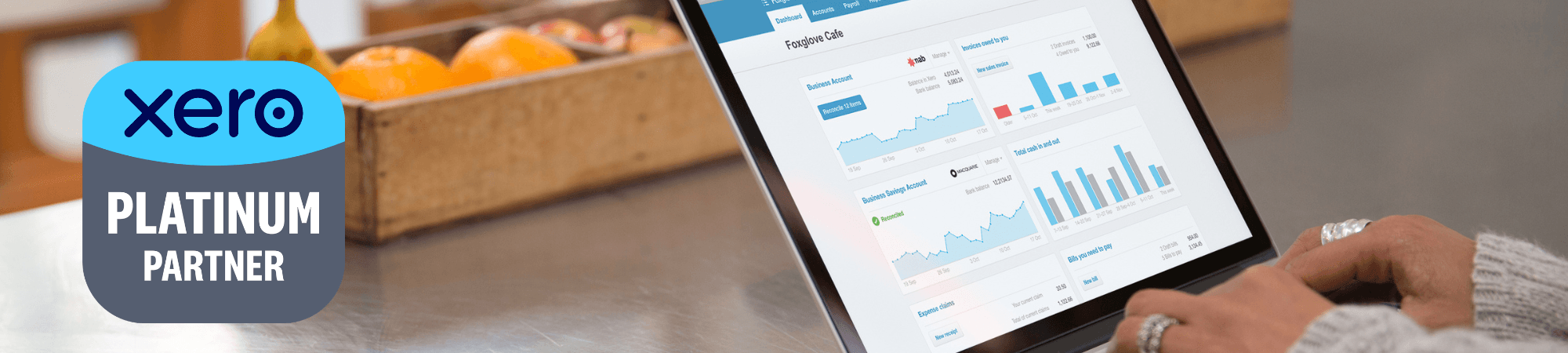
If you’re still relying on spreadsheets or manual records, now is the ideal time to move to cloud accounting software such as Xero.
MTD-compatible software makes record-keeping easier, improves visibility and helps automate much of the reporting process.
Get Your Bookkeeping Up to Date
Accurate bookkeeping is the foundation of Making Tax Digital.
Review your current systems and ensure your records are complete, organised and regularly updated.
Develop Good Habits
Quarterly reporting works best when income and expenses are recorded as they happen.
Small, regular updates are far easier than trying to remember what happened six months ago.
Speak to Your Accountant
Professional advice can make the transition significantly smoother.
An accountant can help you choose suitable software, review your processes and ensure you’re fully prepared before the new requirements take effect.
Why Professional Support Matters
Making Tax Digital isn’t simply about buying software. It’s about creating systems that keep your business compliant, efficient and financially informed.
With the right support, MTD can become more than a reporting obligation. It can provide valuable insight into your business performance and help you make better financial decisions throughout the year.
Need Help Preparing for Making Tax Digital?
At SHA, we’re already helping businesses, landlords and self-employed individuals prepare for the next phase of Making Tax Digital.
Whether you need help choosing software, improving your bookkeeping processes or understanding your reporting obligations, our team can guide you through the transition with confidence.
Don’t wait until the deadline is approaching. Contact SHA today and let us help you make Making Tax Digital simple, compliant and stress-free.
Author

Helen Henson
FCCAPractice Manager
Helen is Practice Manager at Surrey Hills Accountancy and an ACCA-qualified accountant with over 20 years' experience across both industry and accountancy practice. She works with owner-managed businesses and individuals, providing clear, practical advice on accounting, tax and business matters, while ensuring every client receives a proactive and personal service.
Helen has extensive experience in financial reporting, management accounts, business operations, personal and corporate tax and practice management. Helen is passionate about building strong client relationships and leading a successful team that shares her commitment to delivering exceptional service.
Contact Us
Related Insights
Surrey Hills Accountancy Named Finalist In Three Categories At The SME Surrey Business Awards 2026
Embracing AI, Without Losing The Human Touch
Do You Spend Too Much Time Building Reports and Still Not Trust the Numbers?
Part of the Ocean Network
VAT Penalties Have Changed: What Every Business Needs to Know
Salary or Dividends? How Directors Should Think About Paying Themselves
Why We Recommend Xero to Our Clients
Are You Really Reading Your Numbers – or Just Looking at Them?
Could Outsourcing Your Accounting Be the Best Business Decision You Make This Year?
Financial Accounting vs Management Accounting: What’s the Difference?
Discover More Insights From Surrey Hills Accountancy

Surrey Hills Accountancy Named Finalist In Three Categories At The SME Surrey Business Awards 2026

Embracing AI, Without Losing The Human Touch

Do You Spend Too Much Time Building Reports and Still Not Trust the Numbers?
Part of the Ocean Network

VAT Penalties Have Changed: What Every Business Needs to Know

Salary or Dividends? How Directors Should Think About Paying Themselves

Why We Recommend Xero to Our Clients
Are You Really Reading Your Numbers – or Just Looking at Them?

Could Outsourcing Your Accounting Be the Best Business Decision You Make This Year?
We Handle The Numbers. You Run The Business.
We take the pressure off the financial side of your business — giving you clearer numbers, better visibility and support you can rely on. So you can focus on doing what you do best.